
Electrician insurance for Pennsylvania electrical contractors
Electrician insurance in Pennsylvania for residential, commercial, and industrial electrical contractors. We help with general liability, tools & equipment, commercial auto, and workers’ comp, shopped across 10+ carriers by our local independent team.
Built for the work behind the panel cover
From a service van and a pair of wire strippers to a full crew on a new build, we shape electrician insurance in Pennsylvania around the work you actually do.
Electrician insurance in Pennsylvania: coverage that follows the job
The panel is open, the tools are in the van, and the GC wants a certificate before you start. As a result, these are the lines that usually matter.
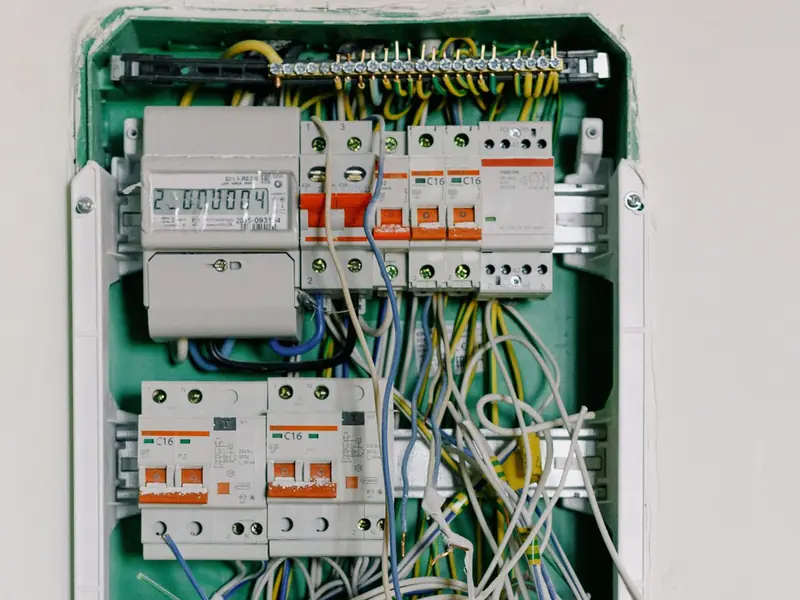

Third-party injury and property damage from your operations — and, on a typical policy, from work you have already finished, subject to the form and any endorsements. Most GCs, property owners, and municipalities ask to see it before you start.
Service vans, pickups, and trailers used for the business, plus hired & non-owned auto when employees run to the supply house in their own cars.
Medical bills and lost wages if an employee is hurt on the job. Because Pennsylvania requires workers’ compensation for most employers with even one employee, uninsured subs can also end up on your audit. For state rules, see the Pennsylvania Department of Labor & Industry workers’ compensation page.
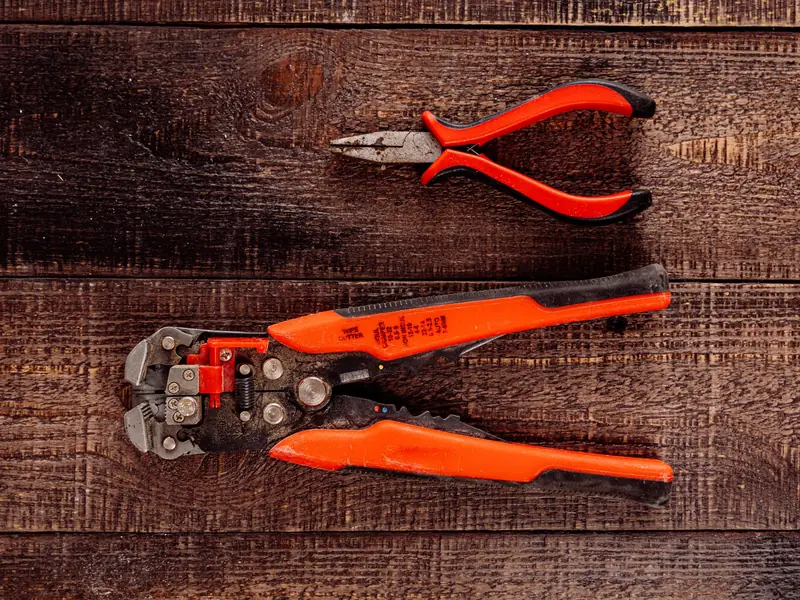
Meters and testers, benders, pullers, drills, and wire stock — at the shop, in the truck, or on the job. However, a standard auto or general-liability policy typically does not cover the tools in the van.
Other coverage often added to the package
Extra liability limits above your general liability, auto, and employer’s liability, so they are often required for commercial, public, or larger GC contracts.
Your shop or office, if you have one — building (if owned), contents, and tenant improvements — packaged with general liability when a BOP is a good fit.
Permit bonds where a town requires one, plus bid, performance, or payment bonds on larger jobs. However, a bond is a three-party guarantee, not a substitute for a liability policy.
For design-build work, load calculations, or system recommendations. Many general liability policies exclude professional services, so this can help fill that gap.
Specialty work: Solar and PV, EV chargers, standby generators, fire alarm, low-voltage, and high-voltage work can change which carriers will quote you. List it on the form so we shop the right markets.
After the panel cover goes back on
A problem that shows up months later raises different coverage questions than an accident on the day of the job. It is worth understanding the difference before a customer calls.
- Resulting damage versus your own work: A typical general-liability policy may respond to injury or damage your completed work causes to others or their property, subject to the policy terms. It generally does not pay to redo the wiring or installation itself.
- Completed operations is part of the form: On standard forms it is not usually a separate add-on, but endorsements can narrow it. We review those with you.
- Exclusions and limits: Some policies exclude or limit certain operations, such as professional services or specific specialty work. Ask what your policy actually says.
- Subcontractor work: Some policies treat work a sub did for you differently. Collecting certificates, and knowing what your policy says about subs, matters.
Why LWG for electrician insurance in Pennsylvania
In fact, Looker Wolfe & Gephart has been helping Pennsylvania businesses since 1987, including those who need electrician insurance.
- We shop 10+ carriers: As an independent agency, we therefore compare multiple markets, not just one company’s products.
- Pennsylvania only: We write exclusively in PA, so we know the state’s contractor market and workers’ comp system.
- Local brick-and-mortar: You get real people at 44 Oak Park Rd, Harrisburg, rather than an online lead-gen site that sells your info.
- Call or text: Reach us at 717-657-9944, Monday–Friday 8–5, so you get the same local team every time.
- Certificates fast: If a GC needs you additional insured, or a waiver of subrogation, text or email the contract wording.
- Audit-ready: We help you keep sub certificates and a clean picture of payroll and receipts so year-end audits don’t surprise you.
Pennsylvania electrician insurance FAQ
Certificates, subs, and contract wording
A general contractor wants a certificate of insurance. Can you issue that?
Yes. In fact, we issue certificates of insurance for general contractors, property owners, property managers, and municipalities. Tell us who needs the certificate and any wording they require. We’ll usually turn it around the same business day when the policy allows it.
What about additional insured and waiver of subrogation?
Many construction contracts ask to be named as an additional insured, often with primary and non-contributory wording. Some also ask for a waiver of subrogation. However, those are policy endorsements, not something a certificate can create on its own. Send us the insurance section of the contract before you sign, and we’ll confirm whether your policy can meet the request. Then we’ll issue the certificate to match.
Do my subcontractors need their own insurance?
You should collect current certificates showing general liability and workers’ compensation (when they have employees) before a sub starts. Keep them on file. If a sub is uninsured, their payroll may be added to your workers’ comp audit. As a result, you can be left with their injuries or their mistakes. Many carriers also ask whether you use written agreements with additional-insured and hold-harmless wording.
Tools, crews, and workers’ comp
Are the tools in my truck covered under my auto policy or general liability?
Usually not. General liability covers injury and damage you cause to other people and their property, not your own tools. A commercial auto policy typically covers the vehicle, not the meters, benders, pullers, and wire stock inside it. Inland marine, also called a tools-and-equipment floater, is the coverage designed for gear at the shop, in the truck, or on the job.
Do I need workers’ compensation in Pennsylvania if I only have one employee?
Generally, yes. Pennsylvania requires most employers to carry workers’ compensation if they have even one employee who could be injured in this state. That includes part-time employees and, in many cases, family members who work in the business. Sole proprietors and certain partners or officers may be able to exclude themselves.
Rates are based on payroll and on classifications set by the Pennsylvania Compensation Rating Bureau (PCRB). We’ll help assign the right class for your work, and you can also start from our workers’ compensation quote page.
Completed work, specialty work, and professional liability
Does general liability cover my work after the job is done?
It depends on the policy and the facts of the loss, so we will not promise that a given claim is covered. On a typical commercial general liability form, products-completed operations coverage may respond if finished work later injures someone or damages their other property. For example, that could apply to a fire or shock claim that is traced back to a completed job, subject to the terms, limits, and endorsements.
What a standard form generally does not pay for is the cost to redo your own defective work. Endorsements can also narrow coverage for certain operations. If a customer reports a problem, call us and we’ll review the policy with you.
Does solar, EV charger, generator, or fire alarm work change my coverage?
It can. Carriers treat specialty electrical work differently, so some markets limit or exclude it. Solar and PV, EV chargers, standby generators, fire alarm, low-voltage and data, and high-voltage or utility work can all affect which carriers will quote you. Therefore, list everything you do on the form. That way we shop the markets that will actually write your work, rather than finding out at claim time.
Do I need contractor E&O or professional liability?
It is optional for many electricians, but it is worth a look if you design systems, size loads, or do design-build work. Many general liability policies exclude professional services. Contractor E&O can help with claims that a mistake in advice or design caused a loss. Ask us whether it makes sense for the work you do.
Bonds, work mix, and starting electrician insurance in Pennsylvania
What bonds might an electrician need?
It varies by job and by town. Some cities and boroughs ask for a permit bond. Public and larger commercial jobs often ask for bid, performance, and payment bonds. However, a bond is a three-party guarantee to the project owner, not a substitute for a liability policy. Tell us what the contract or municipality requires and we’ll work out the next step.
Does it matter whether I do residential or commercial work?
Yes, because carriers look at the mix of residential, commercial, and industrial work. They also look at new construction versus service and remodel. Meanwhile, some markets prefer service work, while others are more open to new construction. In addition, commercial and public jobs often require higher limits, additional-insured wording, and sometimes a commercial umbrella. If you also need a broader contractor policy, see our contractor insurance page.
I’m just starting an electrical business. Can I still get a quote?
Often, yes. Many carriers will consider a new venture when the owner has hands-on electrical experience. Be ready to share your years of experience, the kind of work you will do, and estimated receipts and payroll. Some markets have tighter rules for brand-new businesses, but we can still shop the ones that will look at you. In other words, you can request electrician insurance in Pennsylvania even when you are just getting started.
What you need to quote
What do I need to get a quote?
A description of the work you do, including any solar, EV charger, generator, fire alarm, or high-voltage work. We also need your residential, commercial, and industrial mix, your years in business and experience, and your receipts and payroll. Add your employee and subcontractor details, your vehicles and tool values, and your current carrier, expiration date, and claims from the last three years. Finally, the form below walks you through it — estimates are fine.
Get your Pennsylvania electrician insurance quote
A few short steps to request electrician insurance in Pennsylvania. However, if you don’t know an exact number, a good estimate is fine — we’ll confirm details with you. If you need a quote for another type of business, start from our commercial quotes page.
Please Note: We offer insurance coverage in Pennsylvania only. Therefore, the form below is for electrician insurance in Pennsylvania, including electrical contractors.